En Plein Air
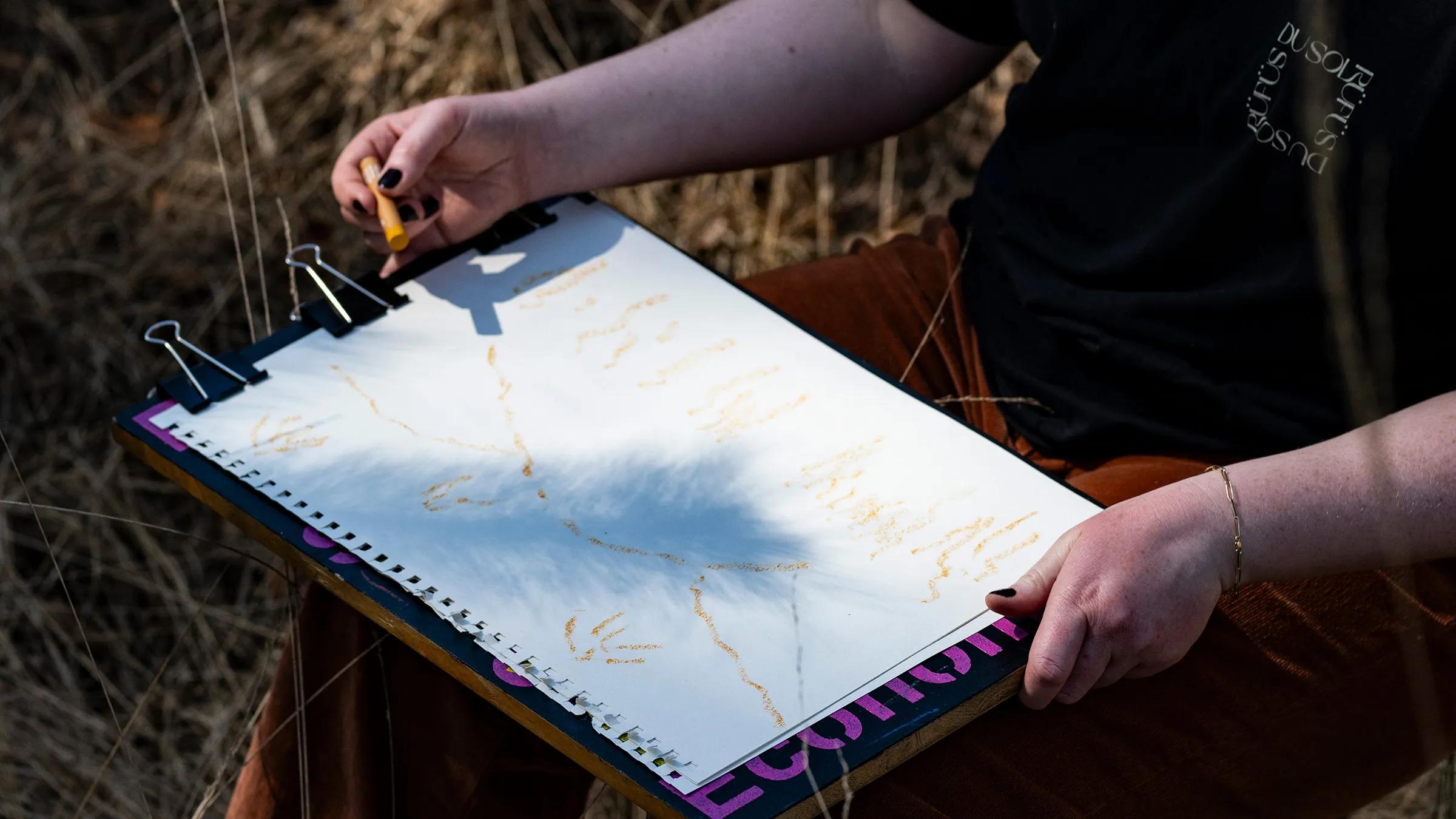
On Saturday, April 12th, we organized Thinking Forest: En Plein Air, in collaboration with artist Wapke Feenstra (Myvillages). This afternoon also focused on the book Apprendre à Voir (Learning to Look) by art historian Estelle Zhong Mengual: a plea for slow, careful observation to deepen our relationship with the living world. For this occasion, we engaged in a plein air drawing workshop together with Wapke Feenstra at Landgoed Welna.
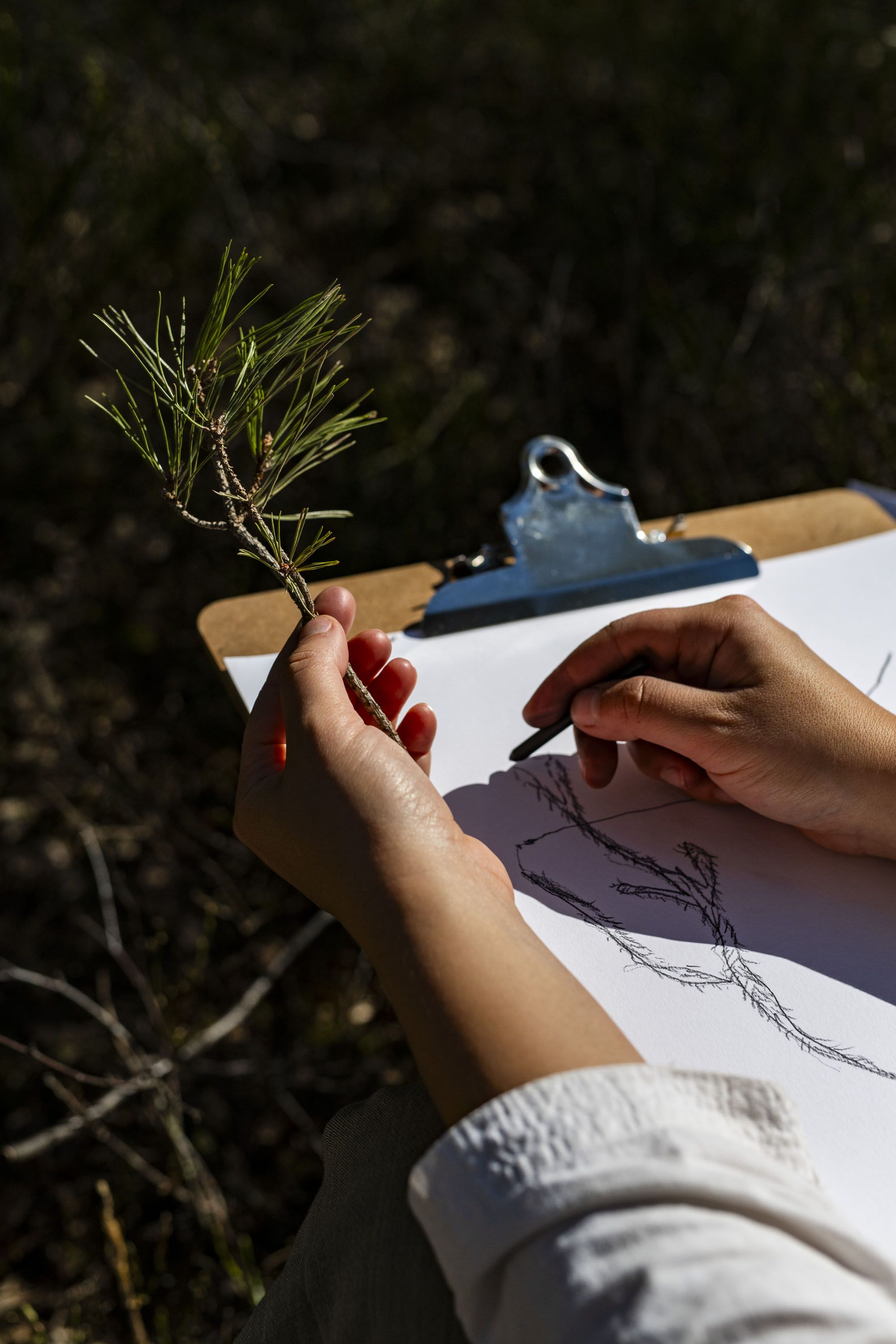
April 12th was a beautiful sunny day, the perfect setting for our plein air drawing session, and we hope it resulted in a new perspective on the landscape and the other living beings we share it with.
We thank artist Wapke Feenstra and rural sociologist Inez Dekker for representing Myvillages, and for introducing and facilitating the plein air drawing method. Myvillages has been connecting communities, spaces and landscapes since 2003, using “the rural” as an a-national and trans-local identifier, without wanting to define it. The rural can be a mindset, a certain practice or a shared identity.
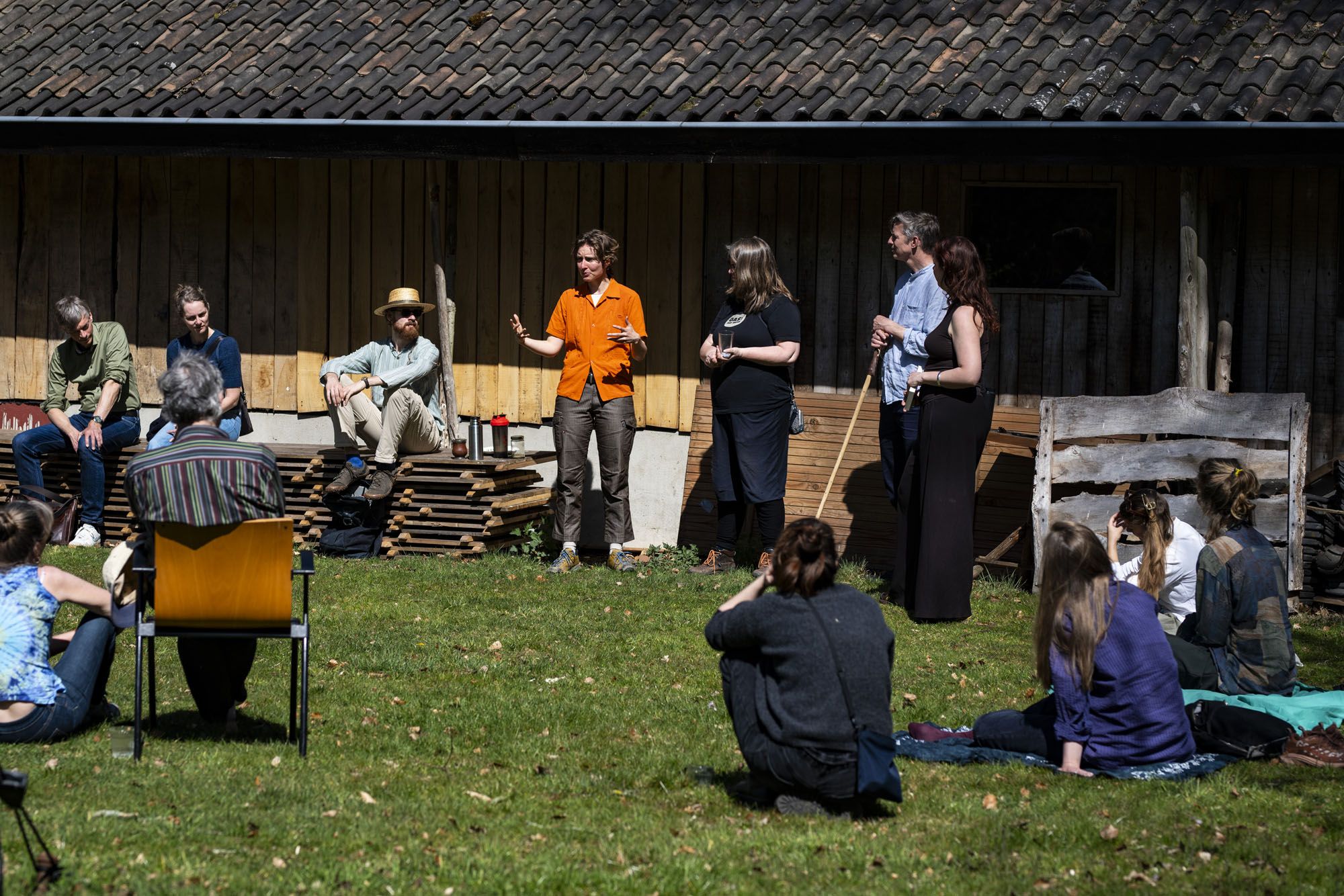
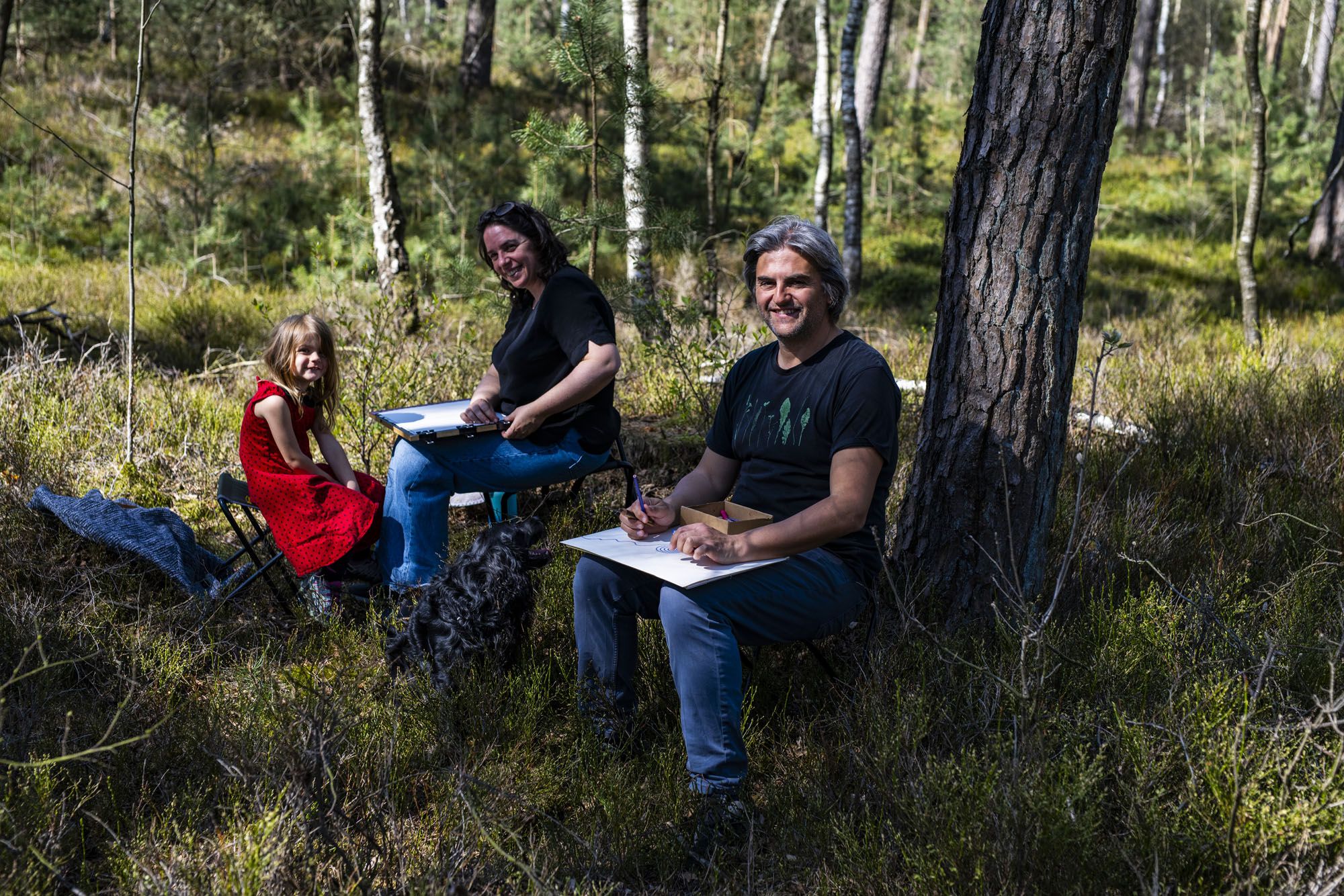
Wapke Feenstra is a founder of Myvillages, a collective that has been exploring rural culture for 25 years. In various multidisciplinary collaborations, she has created spaces worldwide to question the cultural hegemonies of Eurocentrism and urbanism. The associated ecological challenges call for relearning how to see the landscapes around us. In 2012, Wapke began plein-air drawing in groups along the Schelde River near the village of Vlassenbroek. Drawing is a way to connect with the landscape—it’s about tracing your surroundings with your eyes in the moment. The motto is: “How we see the rural is how we want to relate to it.” Emancipating the urban gaze begins with rethinking our relationship with nature—not to define that relationship, but to question it together, creating space for shifts in perspective and critiquing dominant knowledge.
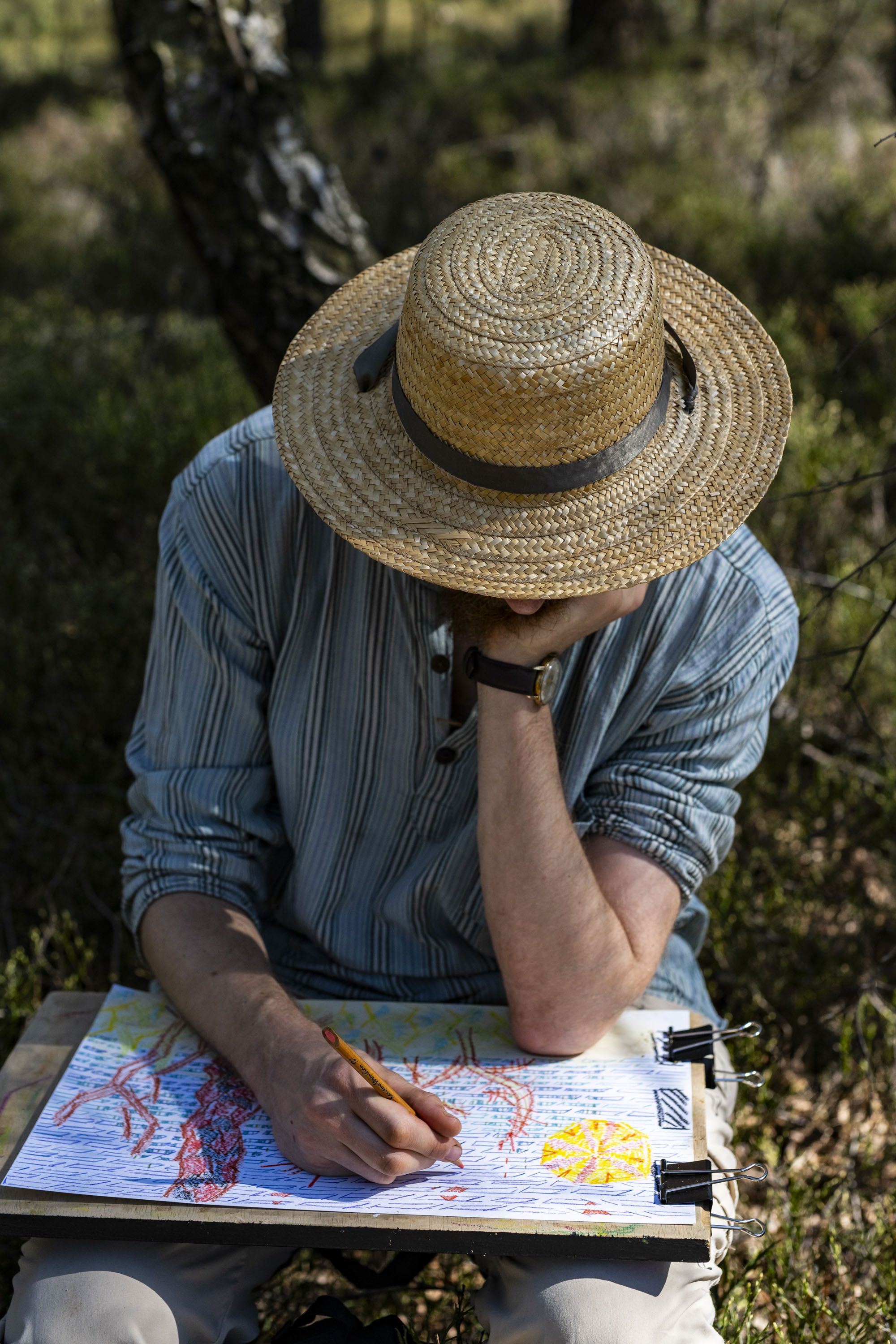
Myvillages pays attention to its particularities and ongoing cultural production in interdependence with the urban. Their work is in line with disrupting European traditions of urban cultural hegemony and the dominance of patriarchal land ownership, exploring rural realities in different constellations and at different intersections, while creating common space for localized and land-based knowledges, and (re)connecting skills along the way. Myvillages makes space for a multivocal rurality, whether it takes place in a book, a village, long-term infrastructures or an exhibition.
We would like to extend our gratitude to Landgoed Welna, who we have been partnering with since last year to organize events throughout the year. Landgoed Welna is a family estate where nature, innovation, and care come together. They believe in protecting biodiversity while proving that ecological and economic value can grow hand in hand. Known for their high-quality timber, they pioneer climate-adaptive forestry, striving to lead in sustainable land management. Welna is also a place of openness—one of the quietest and darkest spots in the Netherlands, shared respectfully with visitors who cherish its tranquility.
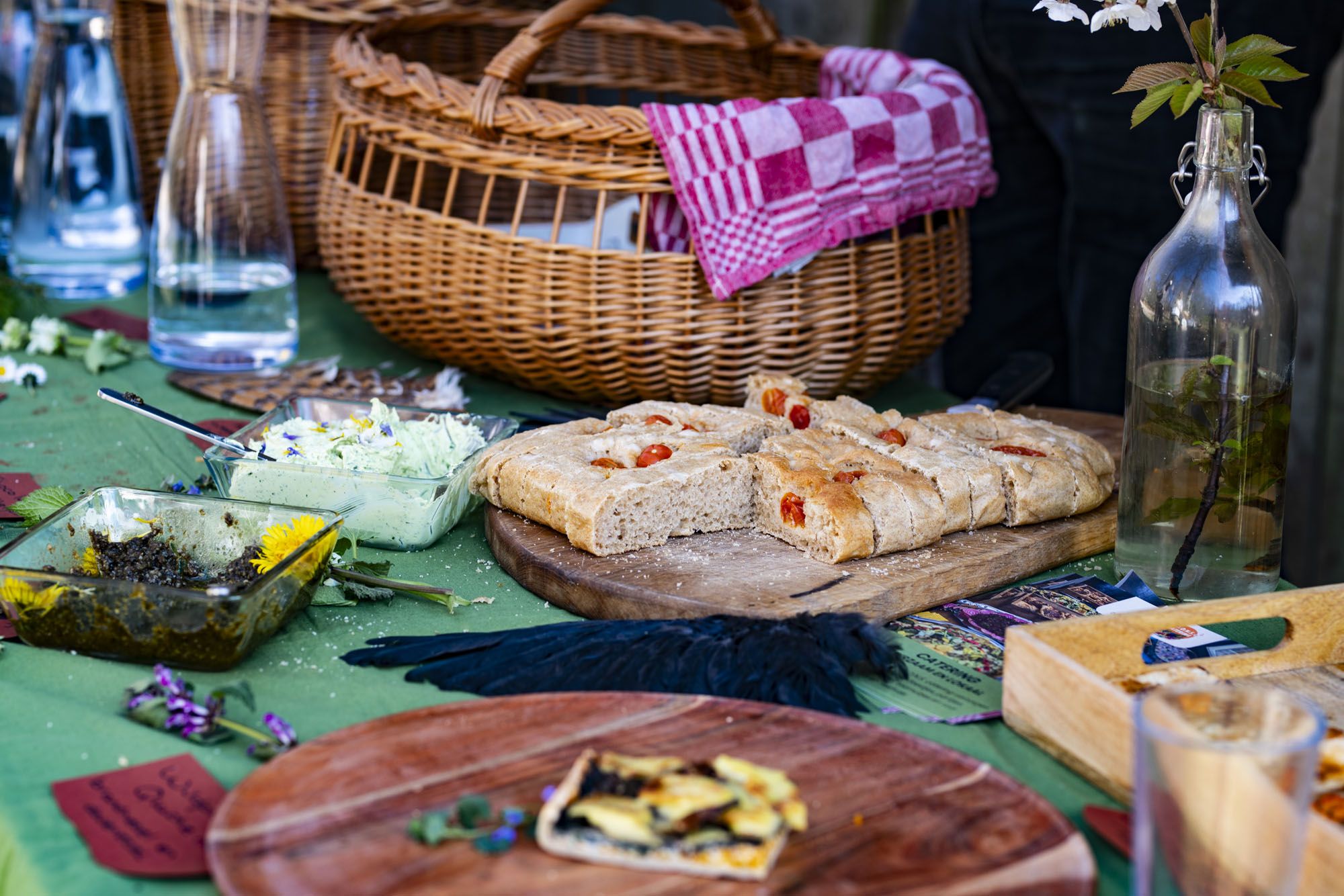
Catering by De Groene Kete
Catering on the day was provided by De Groene Ketel. Giel and Marieke bring their creative and innovative catering to various events.
Thank you to all of our contributors, as well as Sub3 Art Fund, Stichting Stokroos en Landgoed Welna for making this program possible.
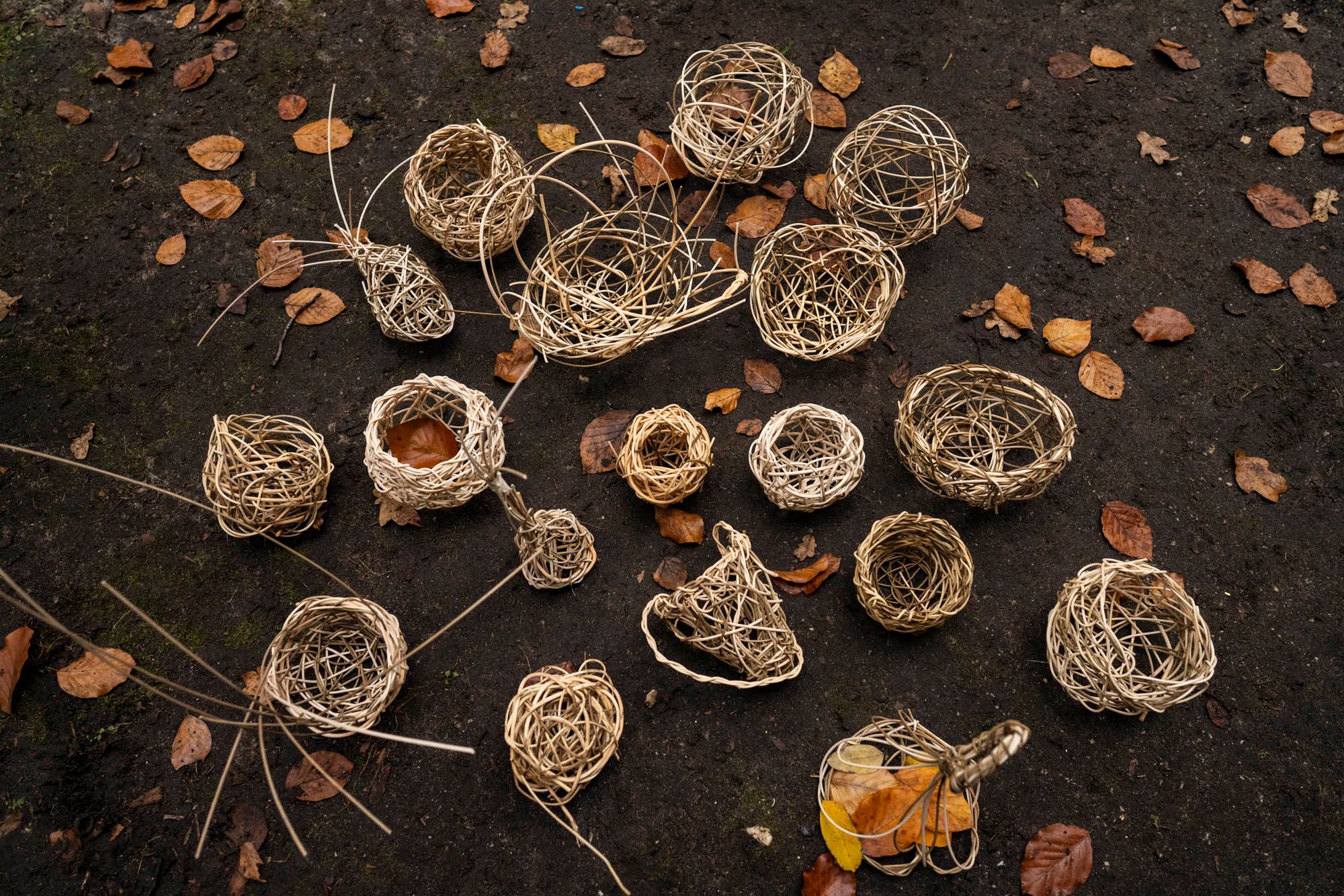
Dear Wood
On November 10th, Thinking Forest organized a special program including a performative work by Gerbrand Burger and a chaos weaving workshop...
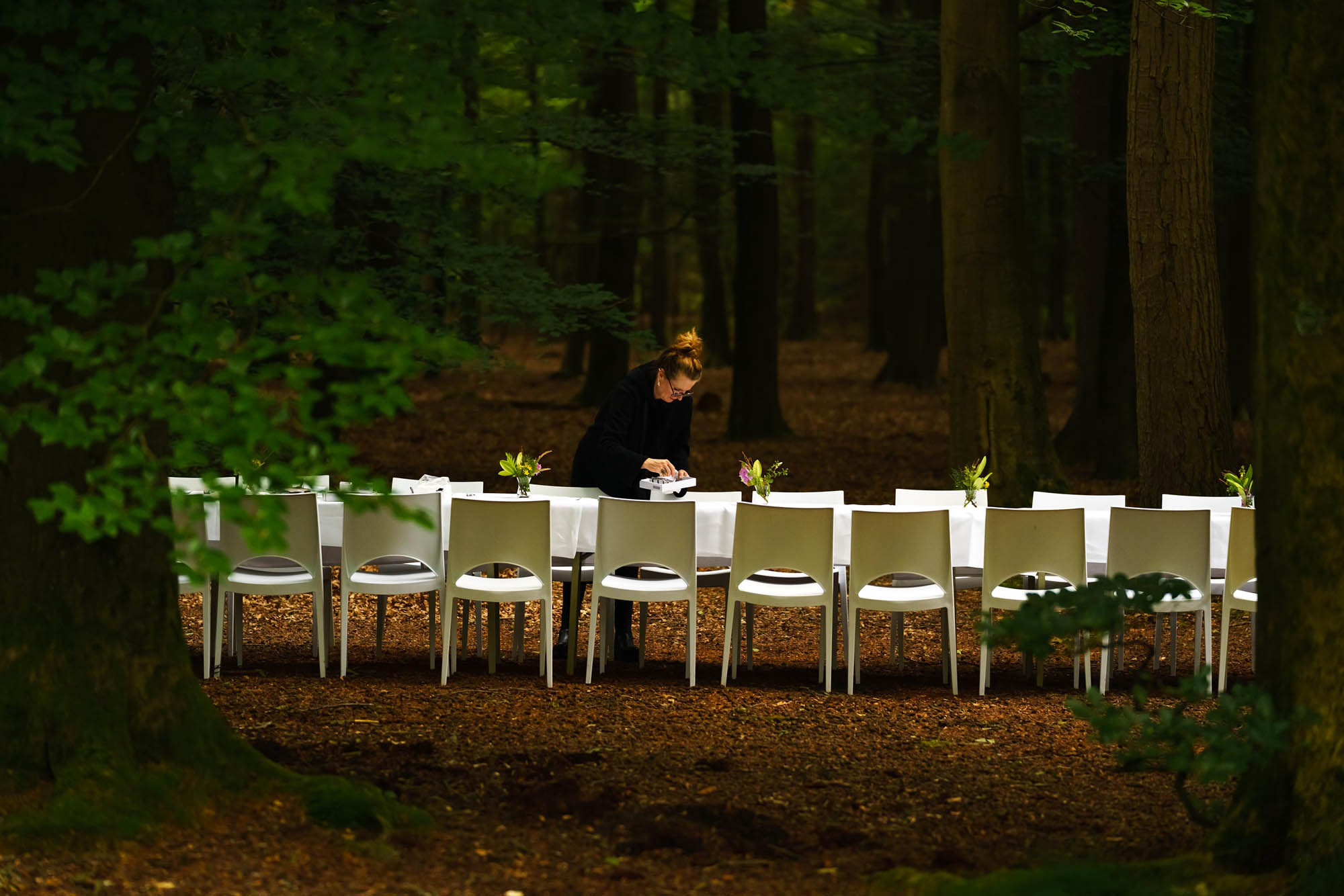
Growing Roots
This event brings Nina Backman’s concept of The Silent Meal to the middle of Welna’s forest, where guests were served a four-course meal among the trees.
Deep Storage
Deep Storage marked the first event of Thinking Forest at Landgoed Welna, during which the wooden sculpture On A Trajectory Through...