Enfleshed, Ecologies of Entities and Beings
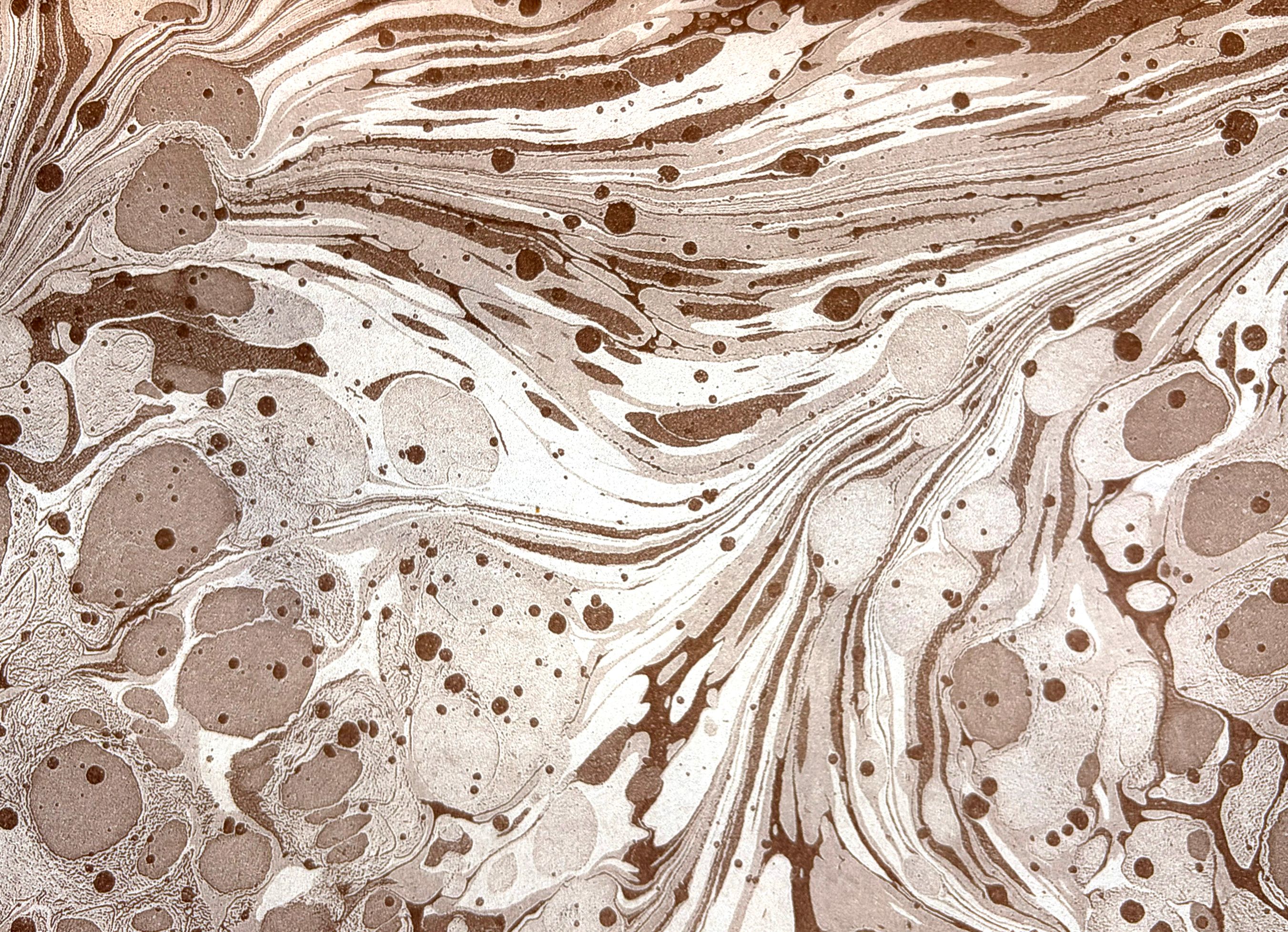
In 2023, Onomatopee published the second edition of a multidisciplinary collection of texts: Enfleshed, Ecologies of Entities and Beings. The book, one of the fruits of an artistic project by Kristiina Koskentola, attends to the more-than-human matters making up various interconnected lifeworlds.
The tactile cover, embossed with chimerical silhouettes, offers an italic sampling of the large array of ideas approached inside: Siberian perspectivism; Anti-Cartesianism; Ecofeminism; Quantum Theory; Electromagnetism; Feminist Sci-Fi; Cosmologies, Decoloniality; Mythologies and more—an interdisciplinary antidote to the anthropoid egotism plaguing much of contemporary life.
Through an assortment of pluralistic perspectives and cosmologies, the book sets out to challenge the limitations that naturally arise from prevailing understandings of subjectivity and personhood. At its inception, Enfleshed consisted of a series of public programs and collaborative exhibitions investigating embodied modes of knowledge production and collaboration, fleshy interventions which felt especially urgent in the context of COVID lockdowns, during which the project was conceived. Materialized as a publication, now in its second edition, the project documents practices and ideas for approaching the myriad challenges facing our world today. With an introduction by the editors, the project's initiator Kristiina Koskentola and curator Marjolein van der Loo, the collection of texts host an array of voices that envision expanded realities through analogy, reflection, and artistic intervention.
The first contribution, by Koskentola herself, details the artwork that seeded the book: Flesh and Metal. Light and Oil, a video work taking place in Northwest China, where the artist sought Shaminic help for an ailment. In treating Koskentola, local shamans used electromagnetic fields as a tool to communicate through the spirit world, sensing imbalances caused by environmental pollution and industrial activity. The imbalance observed in the land was also found within the artist, a finding that nods towards the environmental attunement of our bodies. The entangling of the corporeal and the geographical in this opening contribution thematically paves the way for a reading journey that consistently obscures conventional boundaries of the body/mind.
In form, this collection of texts splits the differences between poetic and academic by weaving together folk story, poetry, essays, and theoretical examinations drawing from a myriad of traditions and conditions. Flipping through this book's pages brings us from the banks of the Aura river at the edge of the Archipelago Sea, to a tent in Western Siberia. Poetry calls for revolution. Earth stories energetically infuse environments. A new tarot card is imagined. Instead of a uniform experience, the reader is being led through varying format and medium: Manchurian Shamnic Music via a QR code, poetic appeals to the subconscious, visits to underwater realms. As a passenger moving through the pages, the reader becomes ever-better acquainted with encountering the unexpected.
Unifying the collection of texts is the insistence on respect across cultural differences, and fluidity across strict categorizations. In a winding reflection on analogy, artist and curator Fu Xiaodong writes of landscape paintings mapping a body’s virtual energy, the Neijing Tu, in which spring willows represent the liver, and the vital essence of the kidney is analogized to water. Their second contribution goes on to link quantum mechanics to the simple stroke of a paintbrush in traditional Chinese painting.
Yuri Vella, a Forest Nenets hunter, reindeer herder, poet, and activist, offers a folk legend, a narrative vessel for notions of respect and avoidance, illuminating concepts of place and people that serve to make sense of industrialization and colonization. And in another text, Imperiya Refusenik, artist and geographer Nikolay Smirnov writes of the healing power of music to incite magical thinking in the midst of war.
The pleasure of reading Enfleshed comes from the paced uncovering of connections that entangle conflicting realities. Page by page, there’s a unifying orientation towards overcoming superficial, direct categorizations in the form of Western and Chinese cultural traditions, physics and biology, internal and external.
Questions accumulate across the pages: which are the memories we share, and in what ways can we invite the other soul (the animal, the crow, the unknown life) to be part of our lives? What does it mean to heal the world? How to be a planetary force when time is out of joint? How to be like, to be kind, yet not the same?
Taken as a whole, the book does not offer direct answers to these questions, but rather leaves one with the impression that there is more knowledge and wisdom to glean beyond the page. Enfleshed imagines a world in which many worlds can coexist, and perhaps, that is the first step in encountering a relational knowledge beyond bounds.
Keep Exploring
Forestry: Methodology, Utility, and the Future
- Thinking Forest
- Interview
Resonance Field
- Constance Chester
- Reflectie
Bird Shit District
- Thinking Forest
- Spotlight